Health & Wellness
I've Treated Ankles for 40 Years—Here's Why I Refused to Put My Father in a Nursing Home
Today, my 97-year-old father is still steady on his feet at home—here's what I learned in a Japanese fishing village that made the difference.

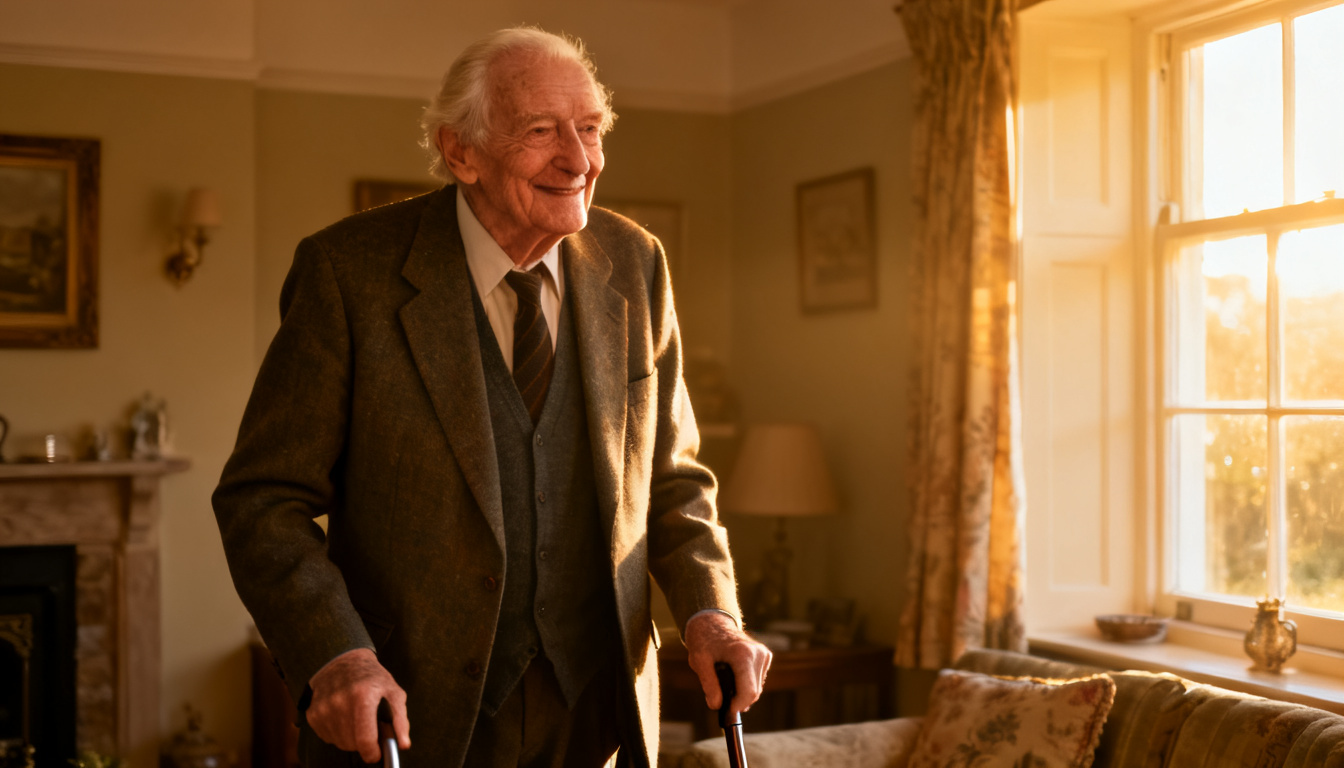
Every week, I tell families their mom or dad is "just getting a bit unsteady on their feet."
Every week, I watch them accept a nursing home as inevitable.
But when it was my father's turn, I refused.
Because after forty years rehabilitating ankles and feet, I'd learned what actually steals an older person's balance — and more importantly, what brings it back.
The pattern is always the same: a stumble on the curb, a hand grabbing for the countertop, then the swift transition to full-time care.
"It's just part of aging," my colleagues tell families. I've said it myself hundreds of times.
But when my father stumbled on the curb outside his own front door…
The man who walked everywhere, who kept an garden plot for fifty years and never once sat still, stood frozen at the edge of the sidewalk, both hands clamped white-knuckled on the railing, frightened of a six-inch step.
"I've got it," he whispered. "Give me a moment. I've got it."
The nursing home brochures were already on my sister's countertop.
As a 74-year-old physical therapist myself, I understood the fear of losing your footing better than I wanted to admit...
But watching my father slip away, I realized I'd been part of a system that accepts unsteadiness instead of fighting it.
The reality is sobering. According to studies by the Centers for Disease Control and Prevention, a fall is one of the leading causes of lost independence in later life.
Yet in parts of rural Japan, I'd read, men and women in their nineties still walk steep harbor steps every morning without a second thought.
The journals pointed to diet. To good genes. To active lifestyles.
But something about that explanation felt incomplete.
The Discovery That Changed Everything

With my father's independence at stake, I secured a small research grant and flew to Japan to find answers.
For days, I followed the same disappointing trail of fish diets and green tea rituals. The nutritionists all repeated the standard wisdom.
But none of it explained why these elders stayed steady on their feet while ours grow frightened of the stairs.
Then I saw him.
On the harbor wall of a fishing village north of the city, an old man stood barefoot on a smooth, worn block of wood, rocking gently from heel to toe, balanced with the ease of a man half his age.
I approached him. Through my translator, I learned he was 92 years old.
"Every morning," he explained, tapping the worn wood with his toe. "I have stood on this every morning for forty-three years."
Later, the village doctor told me something remarkable.
Hiroshi lived alone in a cottage at the top of the harbor steps. Sixty-eight stone steps, no handrail. He mended his own nets, tended a clifftop vegetable patch, and still took his boat out at dawn.
"Has he always been this steady?" I asked.
"Oh yes," she nodded. "Many people here keep their footing well into their 90s. We rarely see the falls you describe."
The next day, I asked Hiroshi about his routine.

"Strong feet, steady life," he said, as if it were obvious.
As a physical therapist, I knew about proprioception — the body's sense of where it is in space, which begins in the feet. But I'd always treated it as something you lose, not something you can deliberately rebuild.
What if it was both?
What if idle feet weren't just a symptom of decline — but a direct cause of it?
I thought of my father. His gardener's feet, once sure on any ladder or furrow, now shuffling across his own kitchen floor. The grandchildren he no longer walked to school.
Hiroshi's old wooden board worked — he was living proof. So I asked him where I could buy one for my dad.
He only smiled. The craftsman who had shaped those blocks, in a village further down the coast, had died years before. Hiroshi's was the last he knew of — it had been his own father's. He wouldn't part with it, and I didn't blame him.
If my father was going to have one, I would have to make it myself.
And that turned out to be a blessing. Standing barefoot on a bare block took years to master, and one wrong wobble at my father's age was exactly what I was trying to prevent. Building it myself meant I could make it safe for a frightened 97-year-old — something he could rock on gently while sitting in his own armchair, or standing with a hand resting on the countertop, with no getting down onto the floor.
That decision transformed me overnight — from physical therapist to inventor to reluctant entrepreneur.
Not for profit. Not for recognition.
But because I couldn't bear the thought of my father surrendering his independence when the answer was literally under his feet.
That's When I Created the NeuroBoard
What if I told you the device that would change everything is a simple piece of birch wood you can use sitting in your own armchair?
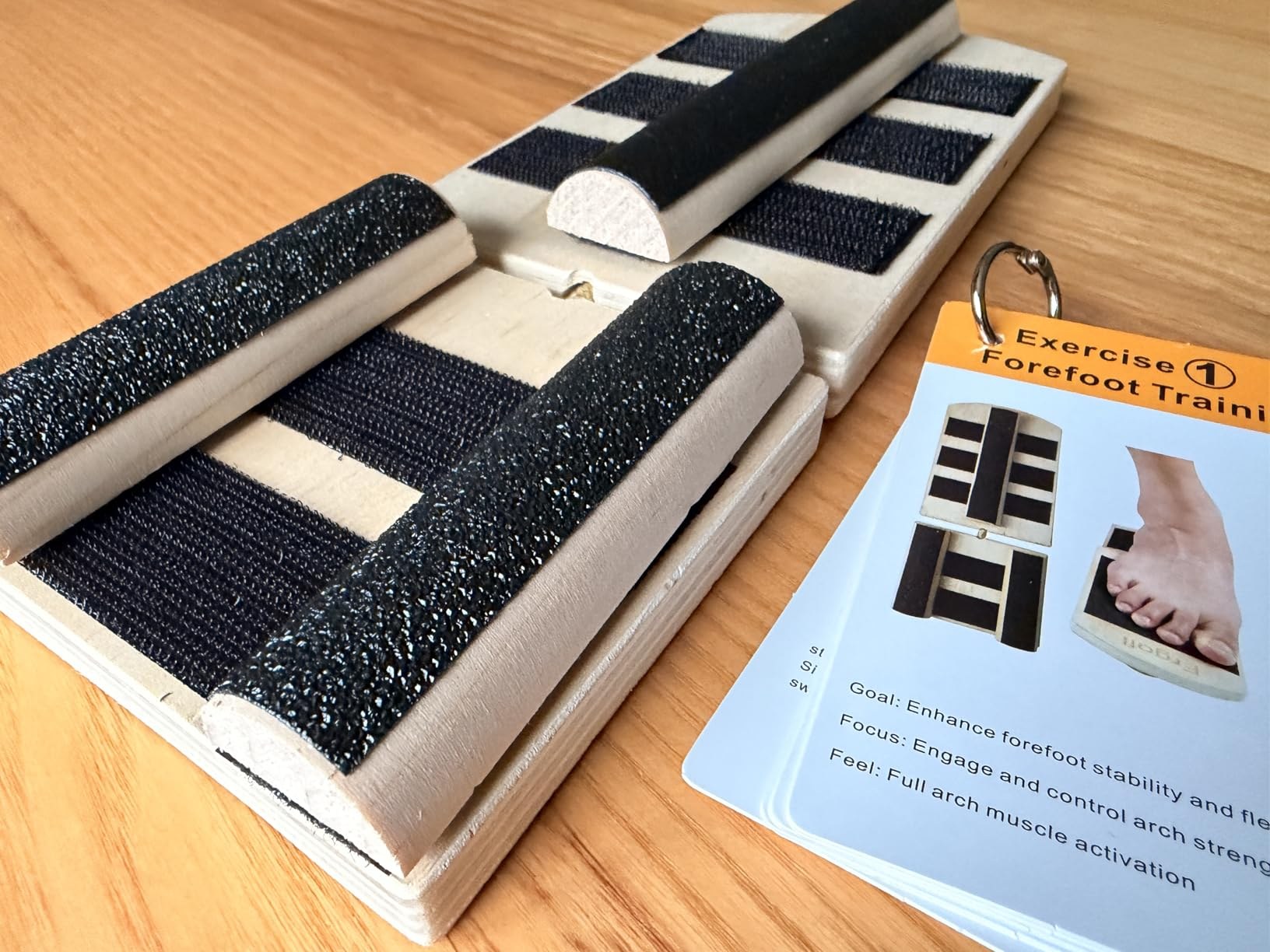
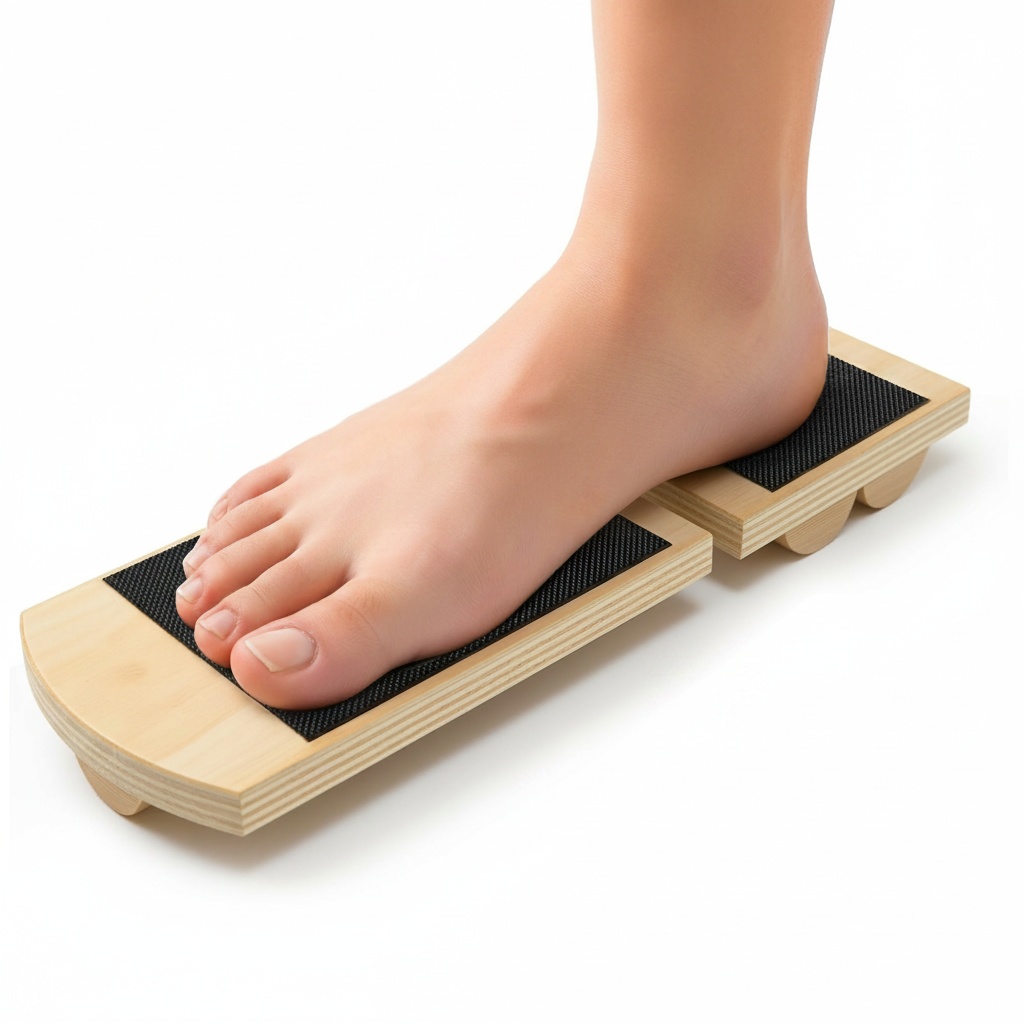
The first prototype looked ordinary. Just a flat wooden board resting on smooth wooden rollers.
Then my father put his foot on it.
Those rollers are precisely shaped, so the instant a foot settles on top, the board rocks — a gentle, controlled instability, just enough to wake the small stabilizer muscles in the feet and ankles and make them fire, in the exact sequence nature intended.
Every rock, every tiny correction, sends a wave of signals up from the sole of the foot...
Keeping the feet engaged, the ankles working, and the body's whole balance system switched back on.
It comes with a printed set of exercise cards — a simple daily program that takes the guesswork out of it completely.
And to measure his progress, I gave him the same test I give every patient. Stand on one leg, hold something steady, and count the seconds.
I didn't realize then that this number would become the most watched figure in my father's life.
A daily count that would tell the story of his footing coming back.
And all it took was a few minutes a day.
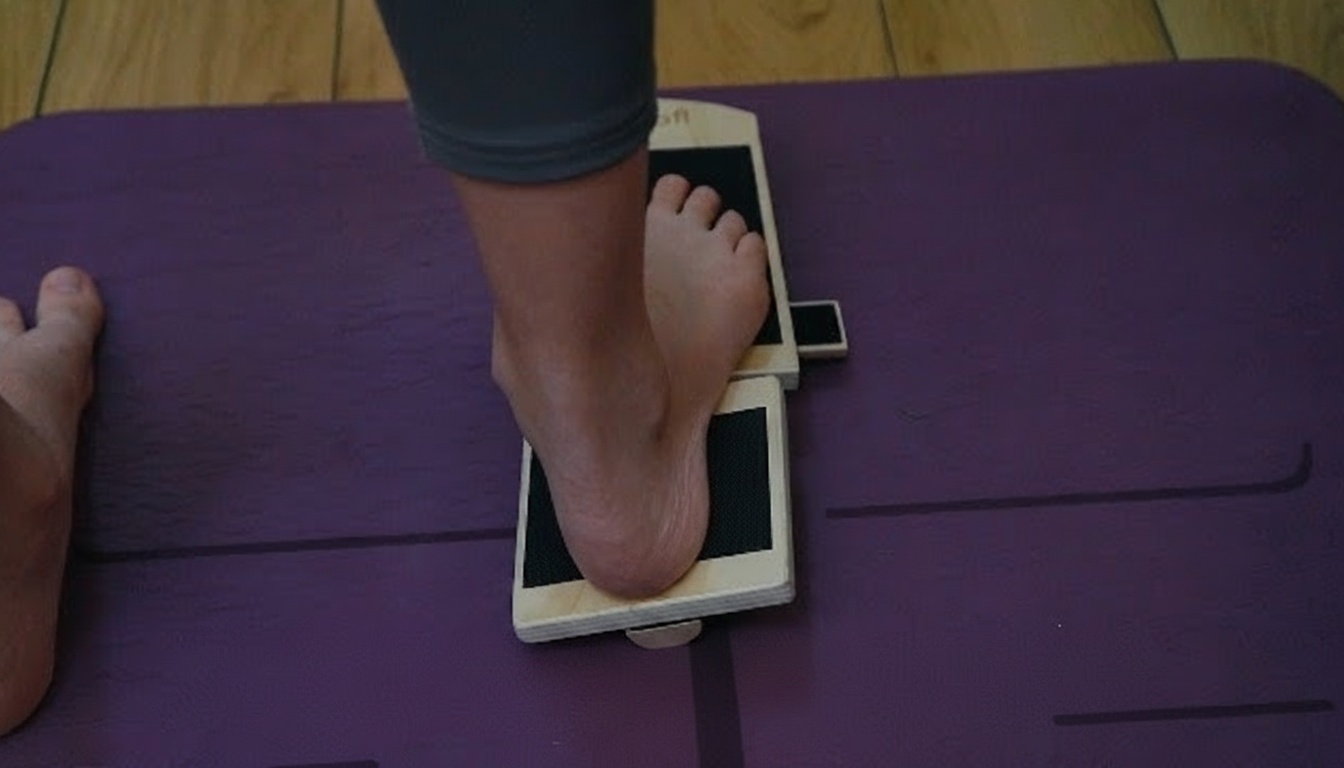
My Father's Journey Back to His Feet
First test: 6 seconds on one leg.
"That's terrible," he said, wobbling back onto two feet.
"That's a baseline," I corrected. "Tomorrow will be better."
Day 3: Mom called. "He won't get off the thing. Does it during the news, during Wheel of Fortune, even during the commercials. He's up to eleven seconds on one leg."
Day 7: 19 seconds. Dad met me at the gate. "Got off the bus just now," he said. "Didn't touch the rail once." He hadn't managed the bus alone in over a year.
Day 10: "He's going up the stairs one foot over the other again, like a normal person, not one step at a time," Mom reported, almost whispering, as if saying it too loud might break the spell.
Day 21: 34 seconds. Found him carrying the week's groceries up to the apartment in one trip. Then he climbed onto a kitchen chair to change a bulb — steady as anything — while I stood underneath with my heart in my mouth.
The confidence was back. The trust in his own two feet.
Day 42: I'll never forget this afternoon.
"Where's Dad?" I asked Mom.
She pointed toward the garden, hand over her mouth, tears streaming.
My heart stopped. Had he fallen? Was he hurt?
I rushed outside and froze.
There was Dad, up the second rung of the apple-tree ladder, both hands free, pruning the top branches. His feet — those shuffling, betraying feet — planted square and certain on the rung.
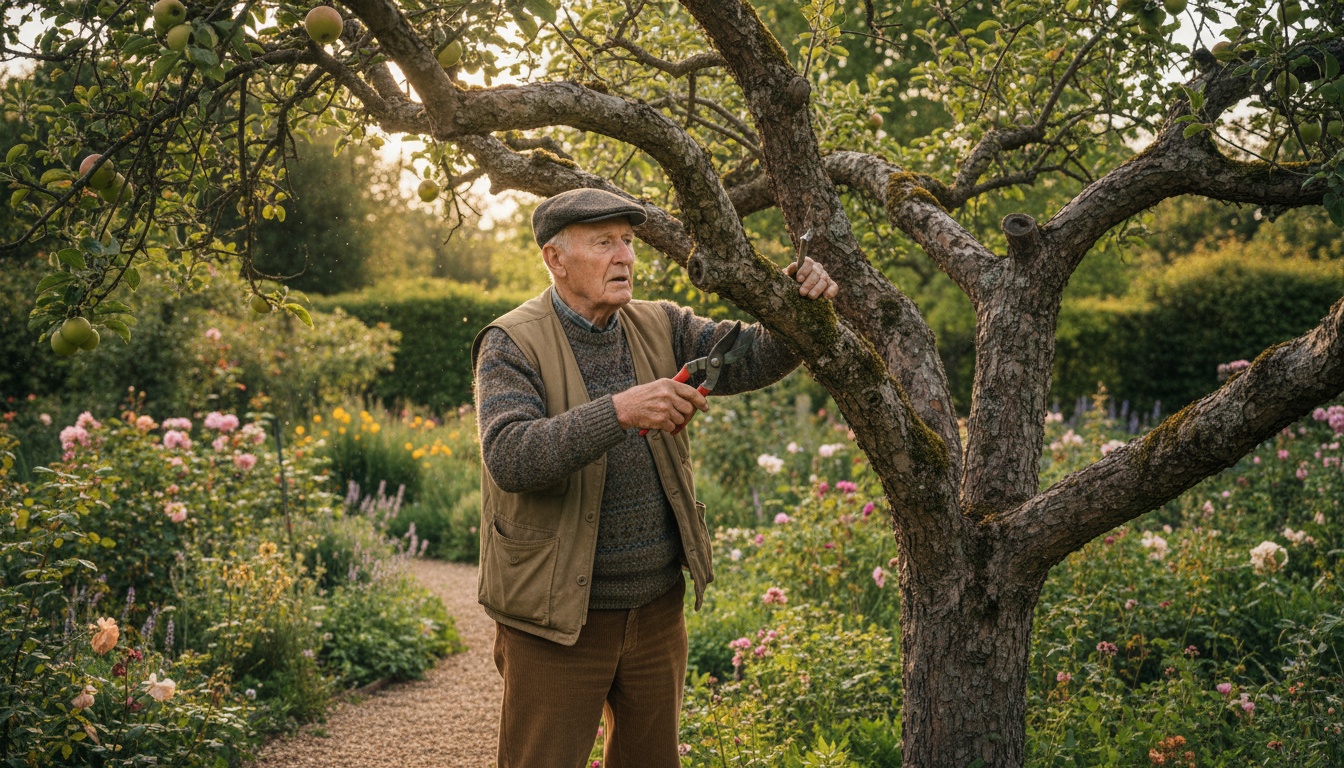
"Hey, son," he said without looking down, focused on the cut. "Getting the old apple tree back in shape. Same tree I planted the spring you were born — 1952. You took your first steps under it. Your mother's got the photograph somewhere."
The year. The tree. My first steps. Details I'd half-forgotten myself. The nursing home brochures on my sister's countertop flashed in my mind.
The hushed phone calls. The soul-crushing acceptance that his independence was slipping away from us.
And in that single moment, watching him balanced up there, sure-footed, I knew it had all been wrong.
His feet weren't idle anymore. And because his feet were working, the rest of him had come back to life.
That's when I lost it. Really lost it.
"It's all right, son," he said, finally looking down with a steadiness in his eyes I hadn't seen in years. "I'm not going anywhere."
Later, my sister called. "I threw out those brochures," she said. It was that simple. The conversation we'd been dreading for months was over before it began.
His count that day? 52 seconds on one leg. But the number didn't matter. His footing did.
The Science Behind the Magic
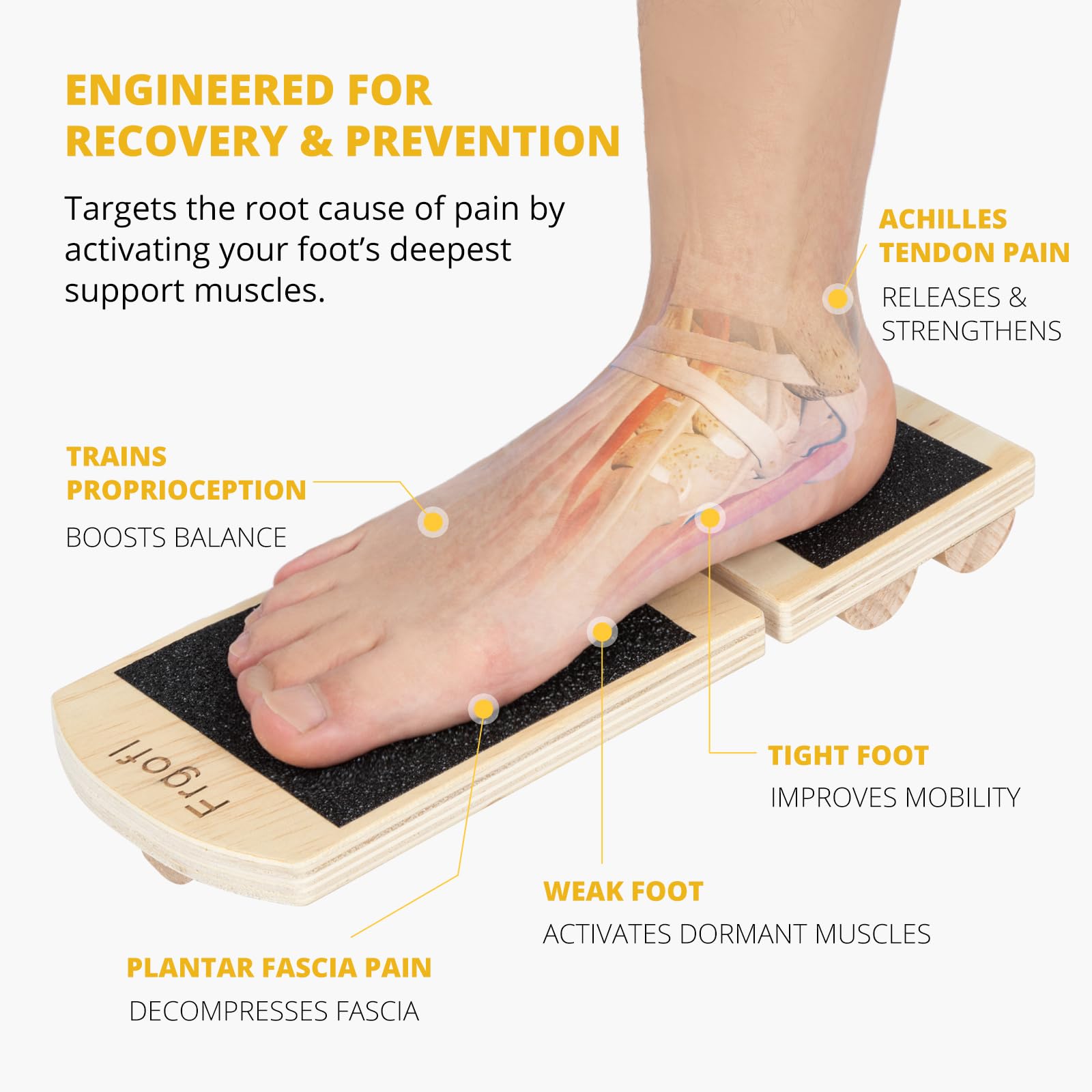
Look, I could bore you with medical journals and proprioception diagrams. But here's what you actually need to know:
Your feet are your body's foundation.
Inside each foot: 26 bones, 33 joints, and more than 100 muscles, tendons and ligaments — wired to some of the densest sensory nerve endings anywhere in the body.
Traditional exercises are like trying to tune a piano by hitting one key over and over. Calf raises? That's a couple of muscles. Toe scrunches? Maybe a handful.
The dozens of small stabilizers that actually keep you upright? They're wasting away. And so is your brain's map of where your feet are in space.
The NeuroBoard is different. Every gentle rock engages the whole foot and ankle. Every micro-correction sends thousands of signals firing up those critical foot-to-brain pathways.
That gentle rocking forces your nervous system to rebuild that map. Repave it. Lay down new routes.
You're not just exercising your feet. You're rebuilding your steadiness from the ground up.
My colleague at Stanford called it "proprioception you can stand on."
I call it confidence you can feel underfoot.
It's the same logic the research keeps pointing to. A team writing in a leading sports-medicine journal even found that middle-aged and older adults who couldn't hold a simple one-leg stand for ten seconds were far less likely to still be around a decade later. Balance isn't a vanity number. It's a vital sign.
The Ripple Effect
Word spreads fast in a small physical therapy practice.
Especially when your 97-year-old father walks in unaided, climbs onto the treatment couch without a hand, after two years of grabbing every banister in sight.
"What's Bill's secret?" they all wanted to know.
I started lending out our spare prototypes. What happened next convinced me this wasn't just luck:
Margaret Wilson, 76, retired school principal: "I'd stopped trusting my feet on the stairs. I'd come down one step at a time, both hands on the rail, heart going. My daughter gently suggested a one-story place. Then a 'place with caregivers on hand.'
The brochures started arriving. 'The gardens are lovely,' she told me.
Three weeks with Daniel's board and something shifted. My ankles felt like mine again. I came down the stairs the normal way and didn't even think about it.
Last weekend I walked the coastal trail with my grandchildren — a full mile, over rocks and sand — and slept like a baby that night.
My daughter quietly stopped mentioning the one-story place."
Richard Weisman, 83, retired National Geographic nature photographer: "When your footing goes, you stop going out. Simple as that. I'd spent sixty years clambering over rocks and riverbanks for a shot. When I started feeling unsteady, I just... stopped. And when you stop moving, everything else seizes up too.
Six weeks with the NeuroBoard changed that. My ankles steadied first. Then my confidence followed.
Last Tuesday I was back on the estuary at dawn, picking my way across the mud to photograph an avocet. Solid as a rock. Forty years since I'd felt that sure on bad ground.
As long as I can get out there, I stay myself. This thing keeps me getting out there."
Patricia Healey, 68, grandmother of six: "You know what's terrifying? Standing at the top of the church hall steps with a tray of coffees, feeling your ankle go soft, and knowing there's nothing you can do about it. I started saying no to things. The school pickup for the grandchildren. The Tuesday walks. Bit by bit, my world got smaller.
My son took me for one of those careful lunches. 'Mom, maybe the stairs in this house are getting to be a bit much.'
I got the board from Daniel. Felt silly at first, rocking on a bit of wood during Wheel of Fortune. But two months on, I'm steady on my feet again. I did the whole school pickup last week — there and back, holding two small hands.
My son hasn't mentioned moving since. I almost cried in the parking lot."
The Production Challenge
Here's the part I hate writing.
Because of the surge in demand, our greatest challenge isn't selling the NeuroBoard — it's making them.
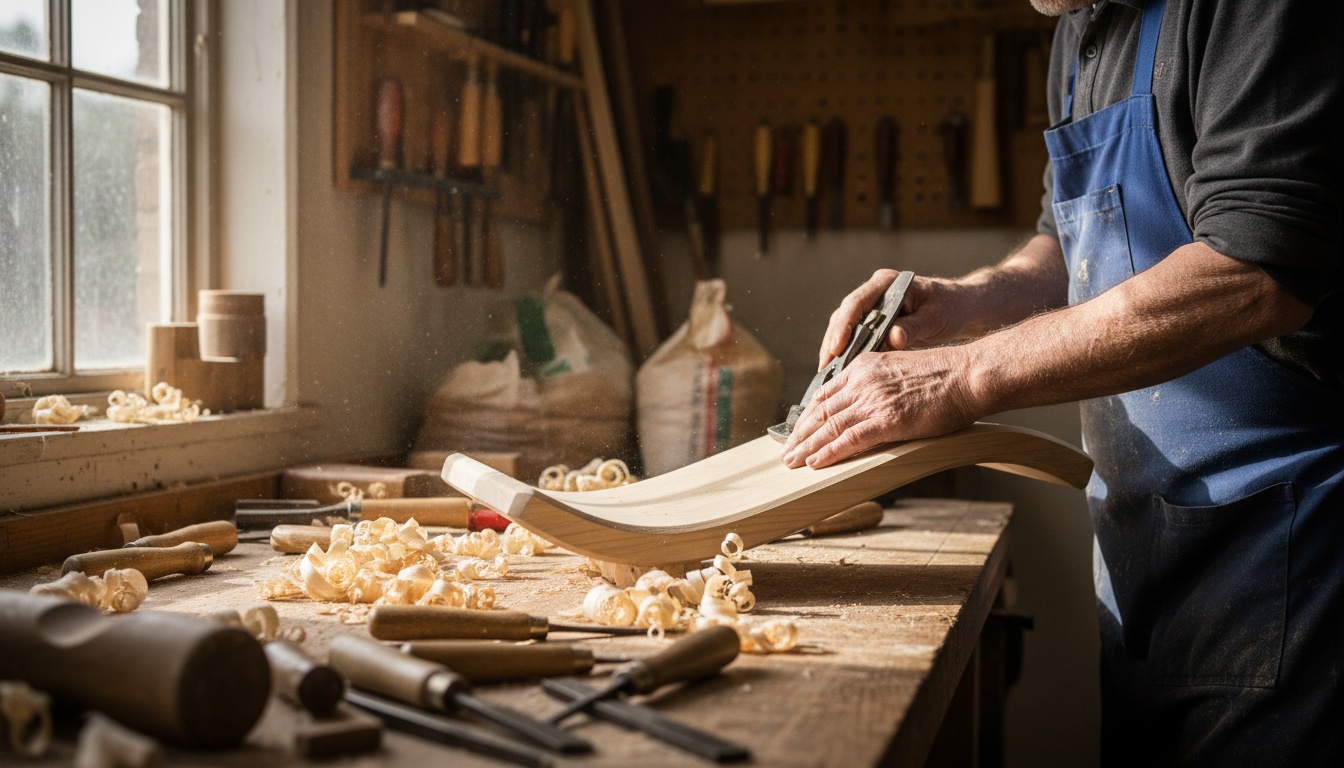
Each board is cut from seasoned birch, then balanced on its hand-turned rollers and sanded smooth by our master woodworker, George.
George can only personally finish around 150 boards a week.
A larger factory offered to press them out of cheap laminated MDF. Their test batch warped within a month, and the way it rocked — the very thing that wakes the muscles — drifted a few degrees off true. Enough to make the whole board useless.
For them, that's an acceptable margin. For me, sending a warped board to an older person fighting to keep their footing is unthinkable.
So we stick to George's slow, hand-finished method. "These are going to feet that walked America's factory floors and farms for fifty years," he says. "We're not cutting corners."
Once they're gone, the "Check Availability" button will redirect to our waiting list. We hope to have the next batch of birch ready in 3-4 weeks, but seasoned timber has been slow to arrive.
My "Prove Me Wrong" Guarantee
I know you're skeptical. In a world of miracle cures and empty promises, you should be.
That's why I'm making this decision completely risk-free for you.
The price for a NeuroBoard is $25.99.
But I want you to think of it as a fully refundable deposit.
Here is my personal promise:
Get the NeuroBoard. Use it for just a few minutes a day. Follow the cards. Watch your seconds on one leg climb.
If, within 90 days, you don't feel steadier on your feet…
If your ankles don't feel stronger and more capable…
If you don't feel more confident on the stairs, the curb and the garden path…
Or even if you just don't like the way it feels…
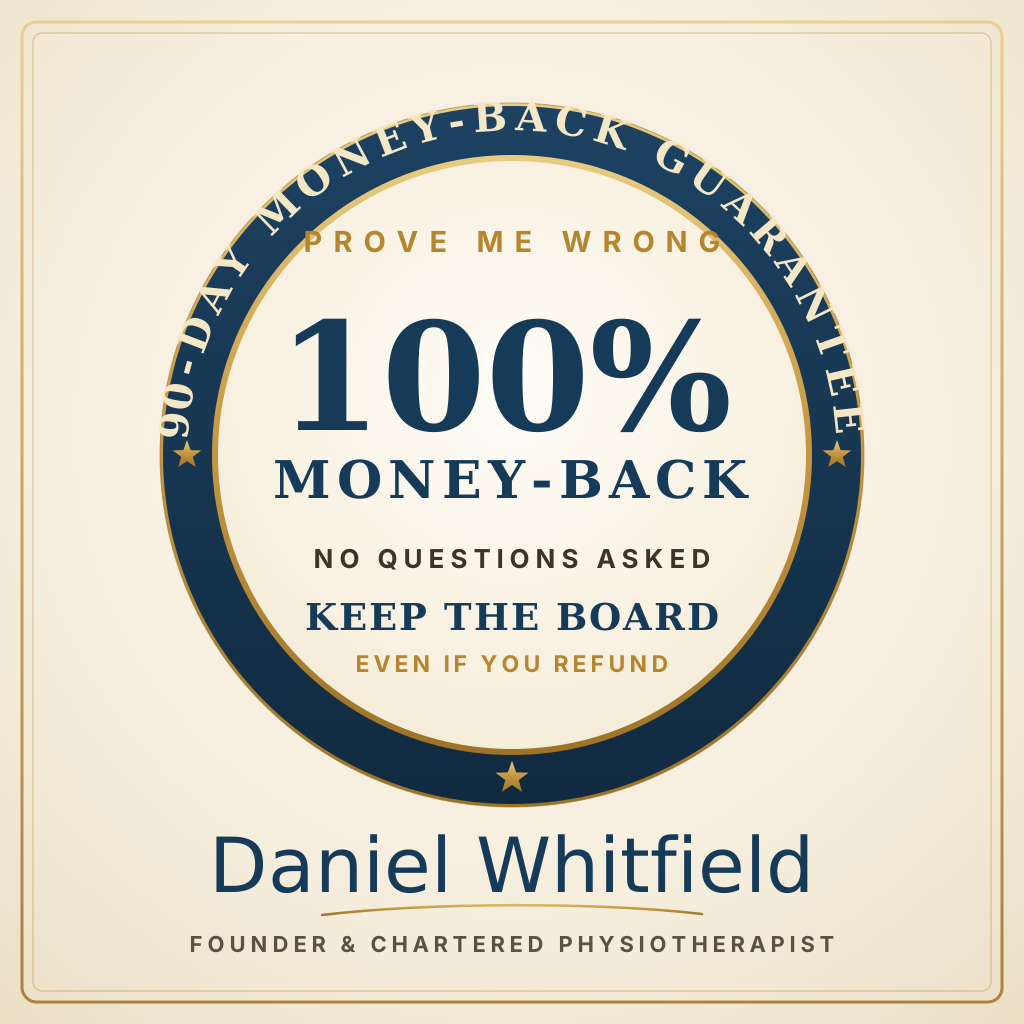
Simply send us an email. We will refund every single penny. No questions asked.
You don't even have to send the NeuroBoard back.
You read that right. If it doesn't work for you, you get your money back and you can give the board to a friend or neighbor who might benefit.
Why would I make such an offer?
Because the return rate is less than 1%. It works. And I know that once you feel your feet wake up and your balance return, you won't dream of sending it back.
I am willing to bet the entire cost of the board on your results. We also include something I wasn't expecting: Dad's letter.
He insisted on writing to everyone who gets a NeuroBoard.
Mom says she can't read it without crying. Something about "one old walker to another" and "feet that still have miles left in them."
The Bottom Line

I think about Hiroshi often. 92 years old, mending his nets, climbing those sixty-eight harbor steps, steady as the tide.
All because of a simple practice someone taught him forty-three years ago: never let your feet go idle.
You might be reading this with feet that aren't quite what they used to be.
Maybe you've noticed the little betrayals. The hand that reaches for the banister. The shuffle across the kitchen floor. The way you've started planning your route around the stairs.
Or maybe you're watching someone you love grow unsteady.
Believing it's inevitable. Natural. Just what happens.
It's not.
The fishermen of that little coast worked out generations ago what we're only now measuring: a steady body begins at the feet. Look after the foundation, and it will look after you.
Guard your feet well, and they'll guard your independence.
Dad's 97 now. Yesterday he dug over the top bed at the garden plot. Last week he walked his great-granddaughter to school.
But I know this: he won't be in a nursing home. Not this year. Not next year. Maybe not ever.
All because his feet never went idle.
And neither did the rest of him.
See If The NeuroBoard Is Still Available >>
About Daniel Whitfield, PT
Daniel Whitfield is a Consultant Physical Therapist with over 40 years of experience in musculoskeletal rehabilitation and the mobility of older adults. As the Director of the Footing & Independence Research Institute and former Clinical Lead in Physical Therapy at a leading hospital system, he has dedicated his career to helping older adults stay steady, strong and independent in their own homes. His work on ankle strength, proprioception and balance has been published in peer-reviewed journals. Daniel regularly speaks at international conferences on practical approaches to aging and mobility, and consults for rehabilitation services across the country.
What Customers Say
A nursing home near us costs thousands a month. Got Dad the NeuroBoard after reading this article. He grumbled at first but now does it during the ball game. Within weeks he stopped grabbing the banister and started walking down to the corner store on his own again. Best $26 I ever spent.
- Don C.
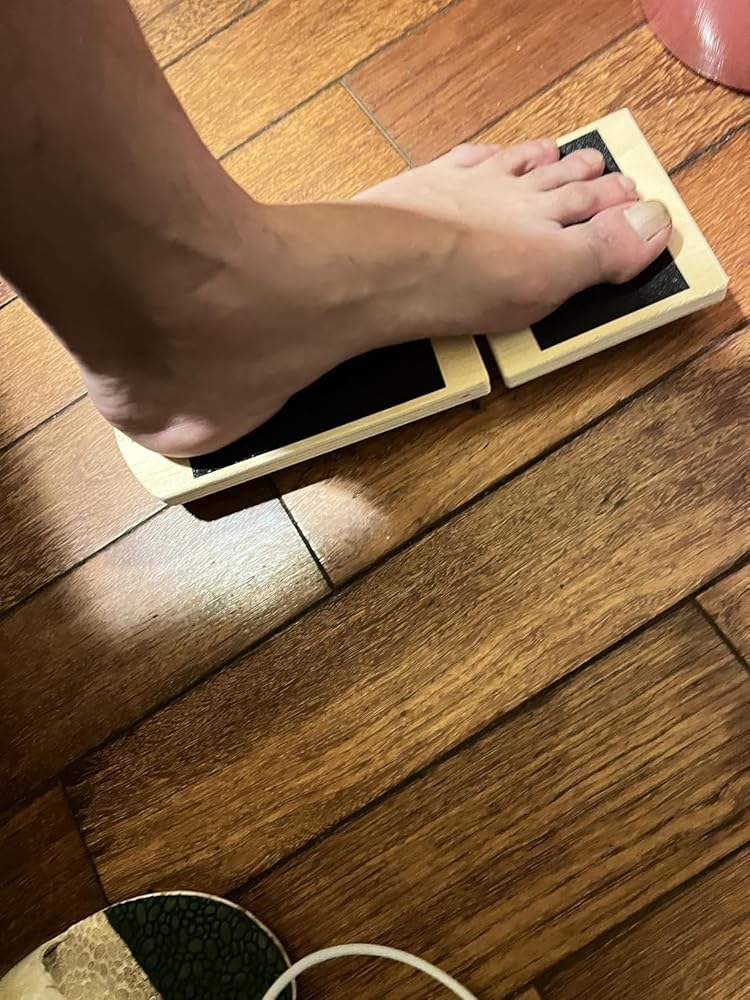
Feels like a balance game for grown-ups. I do it during Wheel of Fortune! Started at six seconds on one leg (embarrassing) and I'm past forty now. My golf buddies noticed I'm steadier over the ball. One asked what I'd been doing. Just this wooden board from Japan, originally. Already ordered two more for the guys.
- Benjamin W
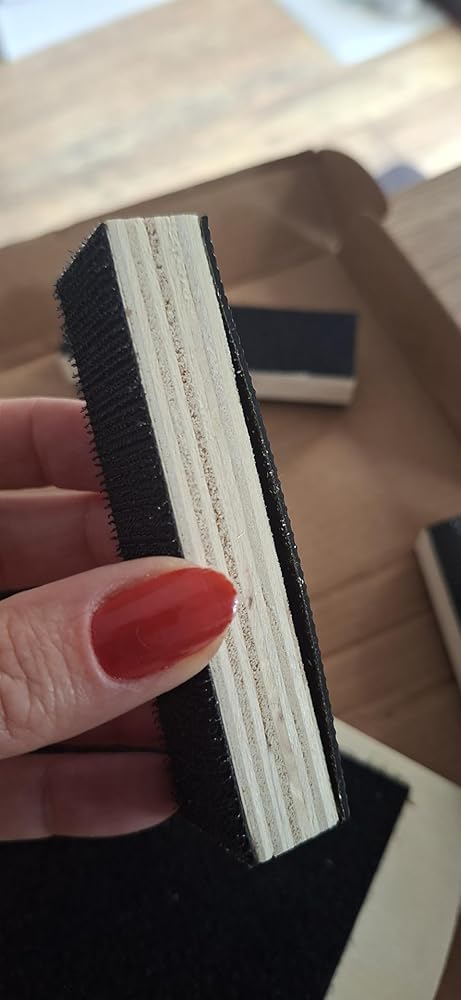
I'd started planning my whole day around avoiding stairs. My daughter kept suggesting a nursing home 'just to look.' Started using the NeuroBoard during my morning news. Three weeks later my ankles feel solid and I take the stairs without a second thought. Take that, nursing home!
- Mary K
Special Pricing Is Limited To Today Only!
Activate a special one-time deal reserved for first-time customers. (As much as 50% OFF)
 Apply Discount & Check Availability